There Are Ou There Is

Existe uma diferença entre "there are" e "there is"? Entenda agora mesmo!
Em inglês, "there are" e "there is" são expressões famosas, mas muitas vezes causam confusão. Mas não se preocupe, neste artigo iremos comparar essas duas expressões e ajudar você a entender quando usar cada uma delas. Prepare-se para conhecer os principais aspectos que diferenciam "there are" de "there is".
O que são "there are" e "there is"?
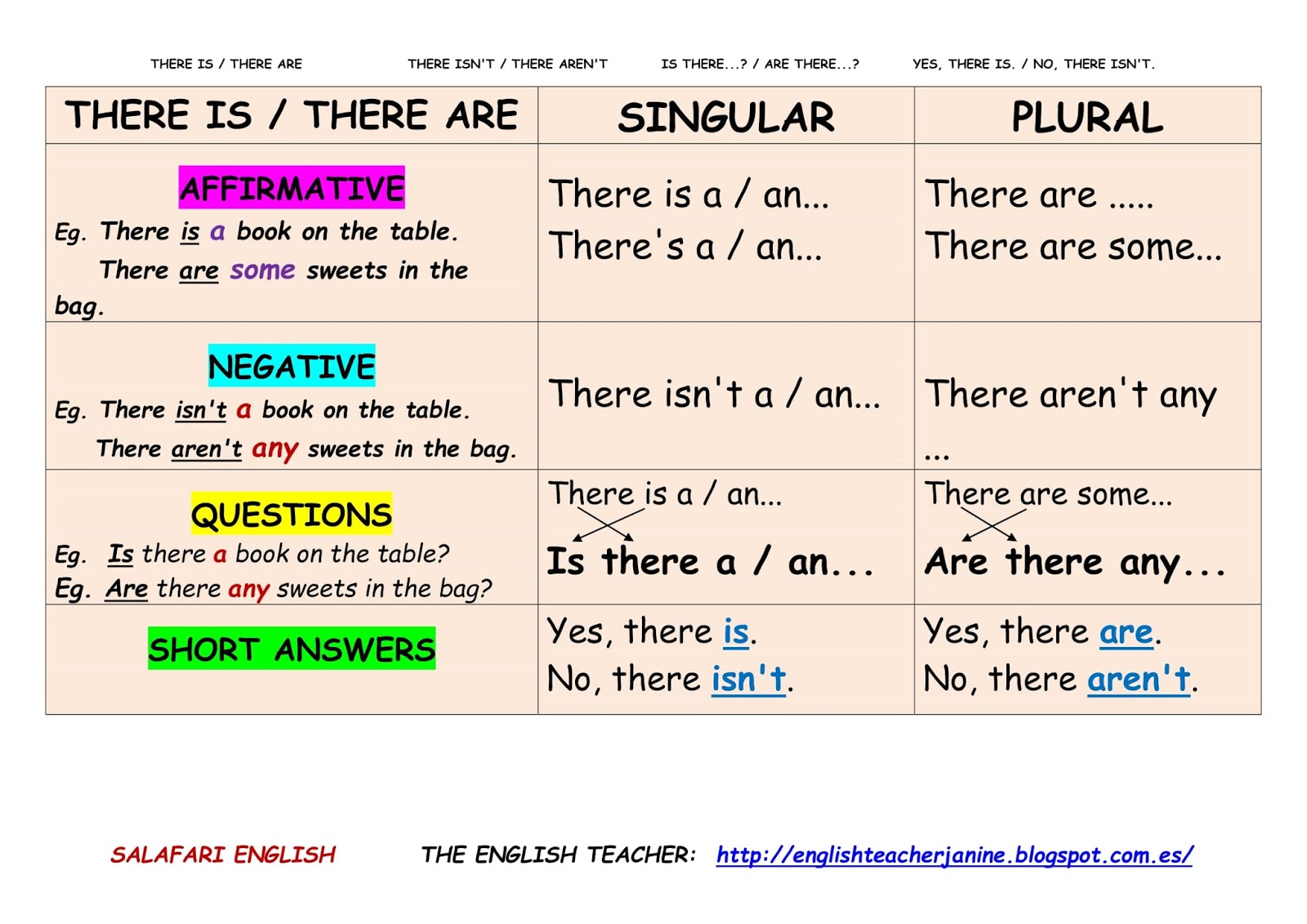
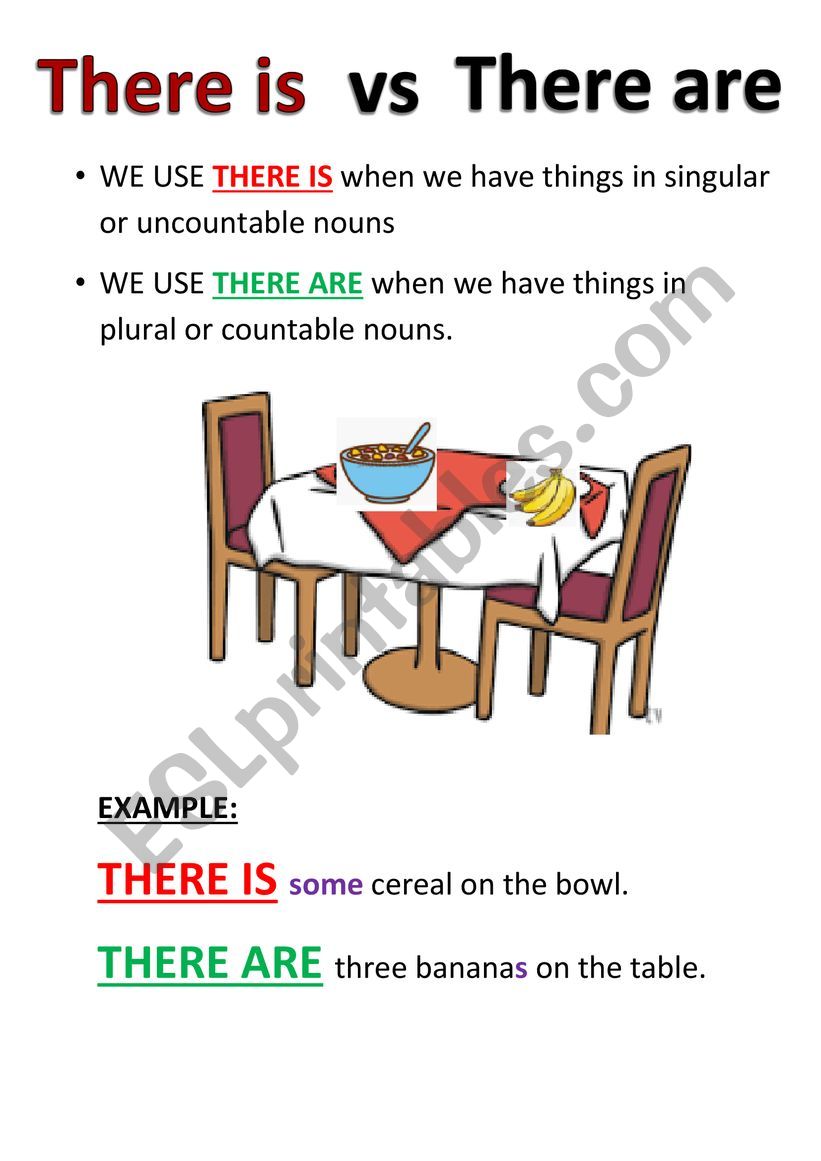
"There are" e "there is" são expressões que indicam a existência de algo. "There are" é geralmente usada para se referir a mais de uma coisa, enquanto "there is" é usada para se referir a uma única coisa. No entanto, há outras nuances que podemos explorar.
Diferenças entre "there are" e "there is"
Uso com substantivos contáveis e incontáveis
| Expressão | Uso com substantivos contáveis | Uso com substantivos incontáveis |
|---|---|---|
| "There are" | Sim | Sim |
| "There is" | Não | Sim |
Como podemos ver na tabela acima, "there are" pode ser usada tanto com substantivos contáveis quanto com substantivos incontáveis. Já "there is" é usada apenas com substantivos incontáveis.

Usando "there are" e "there is" com quantidades
Quando queremos mencionar uma quantidade específica, é melhor usar "there are". Por exemplo:
- There are three cats in the garden.
- There are five books on the table.
Já com "there is", não mencionamos uma quantidade específica. Por exemplo:
- There is a cat in the garden.
- There is a book on the table.
Usando "there are" e "there is" com verbos no presente simples
Outra diferença entre "there are" e "there is" é que "there are" é seguida pelo verbo no presente plural, enquanto "there is" é seguida pelo verbo no presente singular. Por exemplo:
- There are many people who want to learn English.
- There is a shop near my house.
Pros e contras de "there are" e "there is"
- Pros de "there are": Permite mencionar quantidades específicas e pode ser usada com substantivos contáveis e incontáveis.
- Contras de "there are": Pode ser mais difícil de memorizar devido às regras de concordância.
- Pros de "there is": É mais fácil de memorizar e pode ser usada com substantivos incontáveis.
- Contras de "there is": Não permite mencionar quantidades específicas e não pode ser usada com substantivos contáveis.
Qual é a melhor opção?
Ambas as expressões são importantes e têm seus próprios usos. No entanto, se você precisa mencionar uma quantidade específica ou usar um substantivo contável, é melhor usar "there are". Caso contrário, "there is" é uma boa opção.
Perguntas frequentes
When should I use "there are" and when should I use "there is"?
Use "there are" when you want to mention a specific quantity or use a countable noun. Use "there is" when you don't want to mention a specific quantity and use an uncountable noun.
Can I use "there are" with uncountable nouns?
Yes, you can use "there are" with uncountable nouns. However, you should use it only when you want to mention a specific quantity.
Is "there are" always followed by a plural verb?
Yes, "there are" is always followed by a plural verb in the present simple tense.
Can I use "there is" with countable nouns?
No, you cannot use "there is" with countable nouns. You should use "there are" instead.
Conclusão
Agora você já sabe que "there are" e "there is" são expressões diferentes que indicam a existência de algo. Use "there are" quando quiser mencionar uma quantidade específica ou usar um substantivo contável. Use "there is" quando não quiser mencionar uma quantidade específica e usar um substantivo incontável. Com essas dicas, você já pode começar a usar essas expressões com confiança!

THERE IS & THERE ARE EM INGLÊS - AULA 28 PARA INICIANTES - PROFESSOR KENNY
Um idioma inteiro na palma da sua mão! Matricule-se já: https://www.profkenny.com.br/ Faça parte do melhor e mais completo ...
