Modal Verbs Exercícios Com Gabarito

Modal Verbs Exercises: What are they and how to use them
The term "modal verbs exercises com gabarito" refers to practical activities designed to help students improve their understanding and use of modal verbs in the Portuguese language. Modal verbs are essential for expressing possibility, obligation, and other nuances in a sentence. Let's delve into the world of modal verbs and explore exercises that can help you master them.
What are Modal Verbs?
- Possibility and Probability: Expressing what is likely to happen or not happen (e.g., Ele pode vir amanhã - He might come tomorrow)
- Obligation and Necessity: Expressing what must or must not be done (e.g., Você deve estudar - You must study)
- Permission and Prohibition: Giving or denying permission (e.g., Você pode usar meu carro - You may use my car)
- Advice and Suggestion: Making recommendations (e.g., Você deveria levar um guarda-chuva - You should take an umbrella)
Modal Verbs in Brazilian Portuguese
Common Modal Verbs
The most common modal verbs in Brazilian Portuguese are:
- poder - can, may, might
- dever - must, should
- querer - want, will
- ter de - have to, must
- ser capaz de - be able to
Conjugating Modal Verbs
Modal verbs are conjugated like regular verbs, and their conjugations follow standard Portuguese verb conjugation patterns. Here's an example of the conjugation of poder in the present tense:

| Subject | Conjugation |
|---|---|
| Eu | podo |
| Tu | podes |
| Ele/Ela/Vocês/Eles/Elas | pode |
| Nós | podemos |
| Vós | podeis |
| Eles/Eles/Elas | podem |
Modal Verbs Exercises: How to Practice
Fill-in-the-Blank Exercises
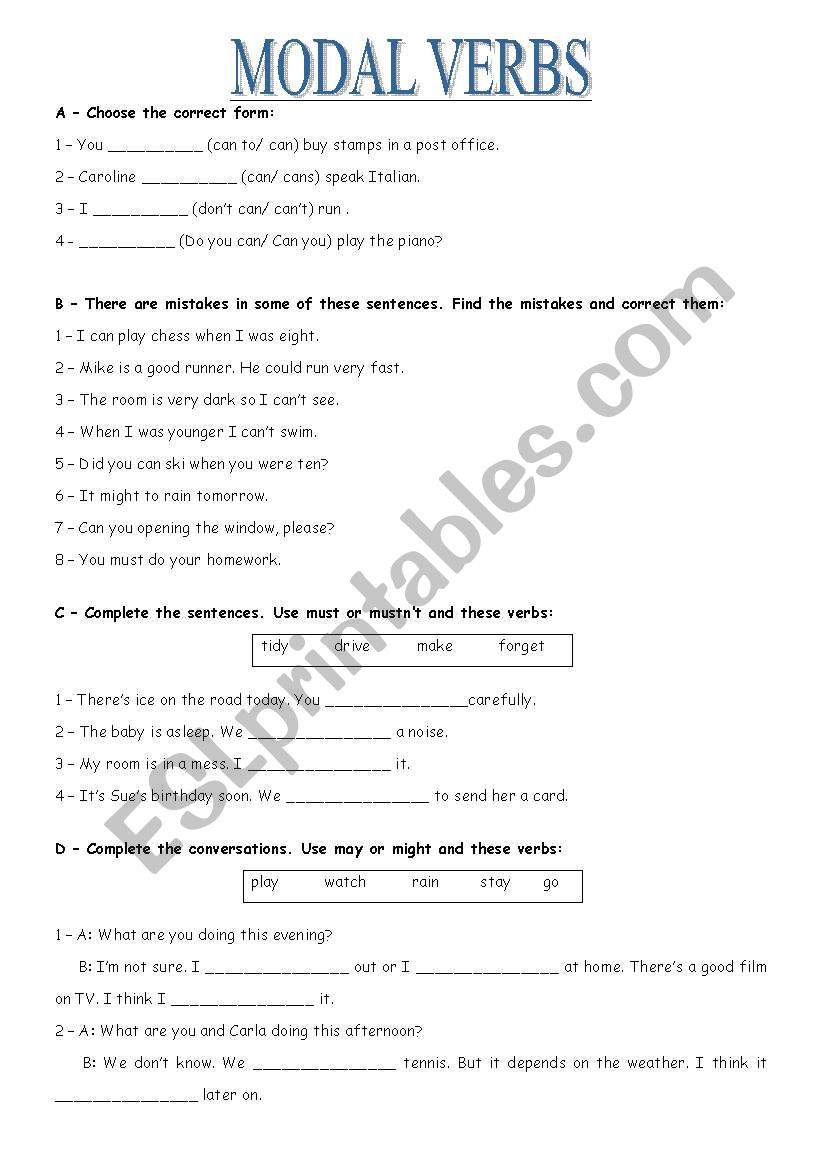
Fill-in-the-blank exercises are a great way to practice using modal verbs. You're given a sentence with a blank space where a modal verb should go. For example:
Eu ___ ir à praia amanhã, mas ainda não tenho certeza.
Answer: Eu posso ir à praia amanhã, mas ainda não tenho certeza.
Role-playing and Conversational Exercises
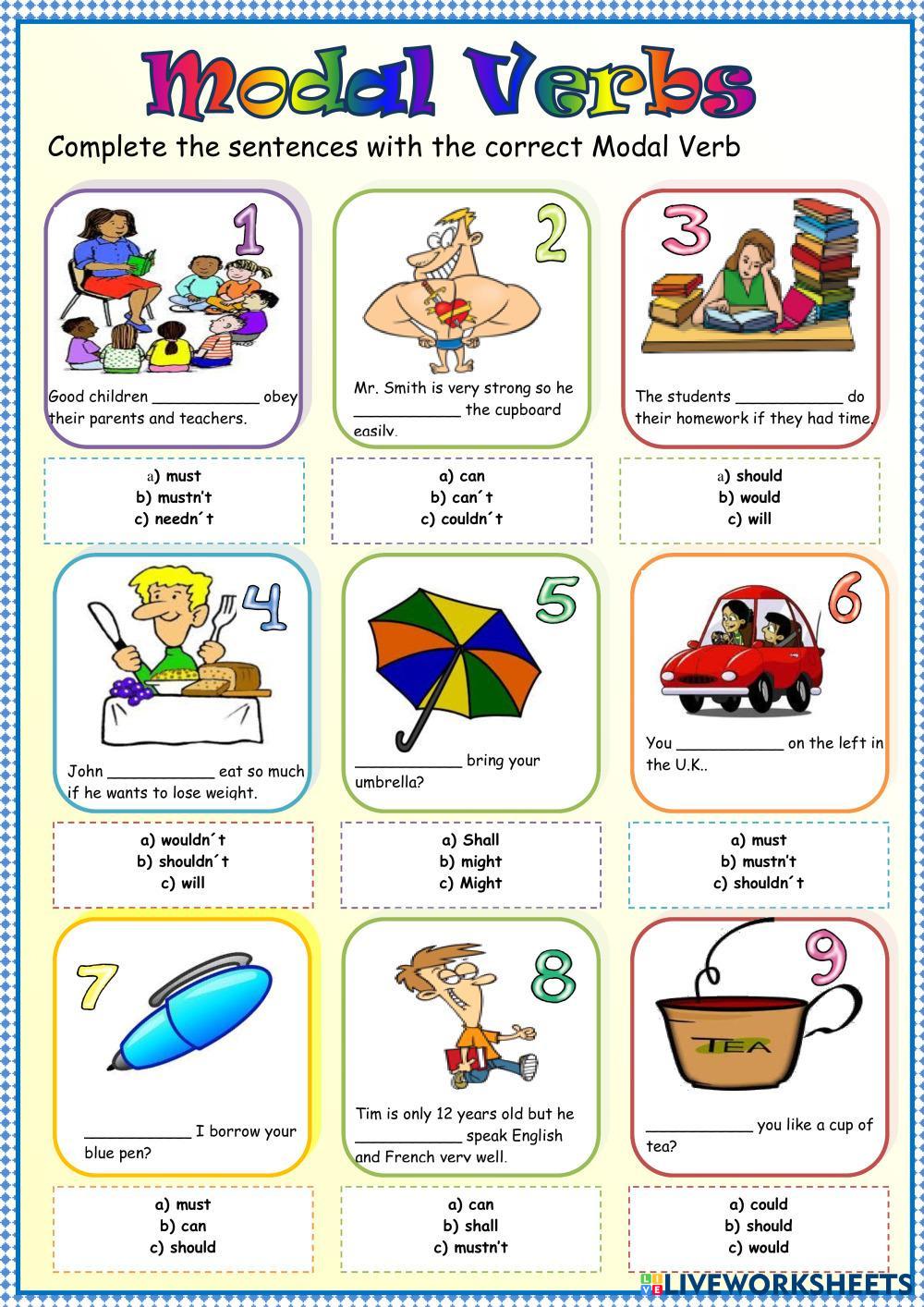
Practicing conversations with modal verbs can help you understand their nuances and how to use them in everyday situations. Here's an example:
Amigo 1: Eu ___ ir ao cinema hoje à noite, mas não tenho ninguém para ir comigo.
Amigo 2: Eu ___ ir com você. Qual filme você quer ver?
Answers: Amigo 1 - Eu posso ir ao cinema hoje à noite, Amigo 2 - Eu quero ir com você
Modal Verbs Exercises Com Gabarito: Why Use Them?
Using exercises with a gabarito (answer key) can help you check your understanding and progress. It allows you to compare your answers with the correct ones and learn from your mistakes. Incorporating these exercises into your study routine can significantly improve your mastery of modal verbs.
Perguntas Frequentes
Qual é a diferença entre "poder" e "querer"?
Poder expressa possibilidade, enquanto querer expressa desejo ou vontade.
Quando devo usar "dever" em vez de "ter de"?
Dever é usado para expressar obrigação moral ou profissional, enquanto ter de é usado para expressar obrigação física ou situacional.

Como posso praticar modal verbs com mais eficácia?
Praticar através de exercícios como preenchimento de lacunas, conversação e uso de gabarito pode ajudar a aprimorar o domínio dos verbos modais.
Mestre os verbos modais através de exercícios práticos e divirta-se aprendendo o português! Boa sorte!
